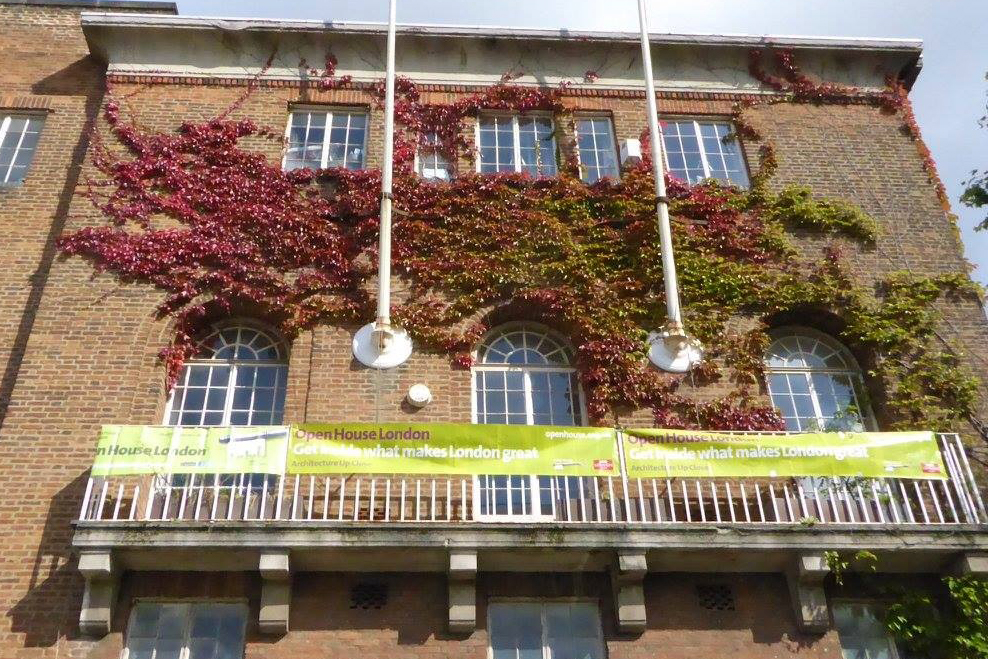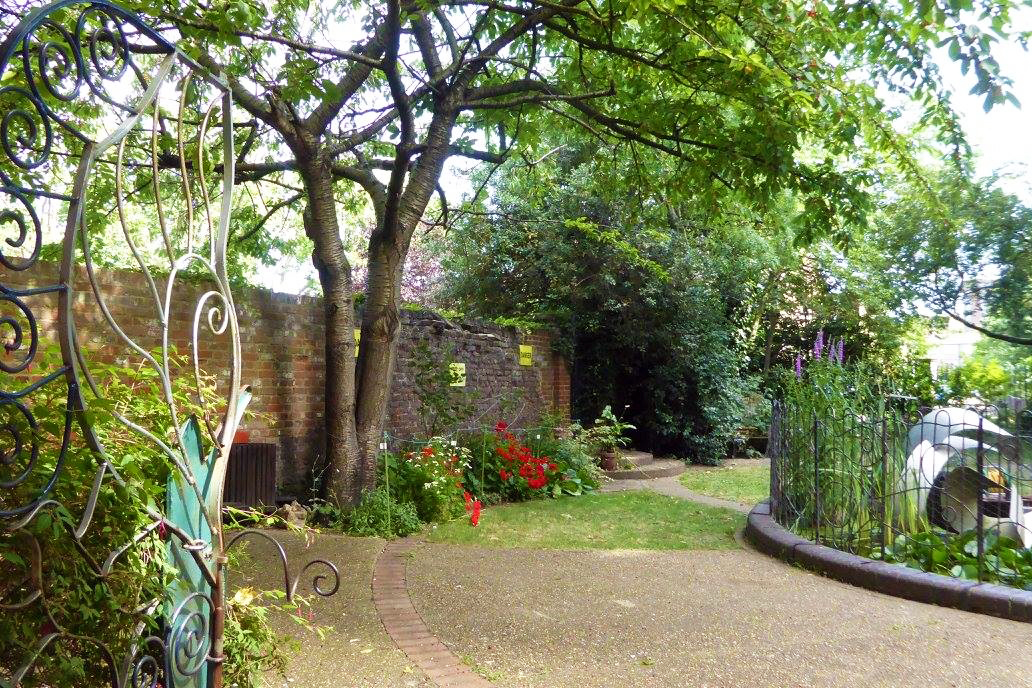
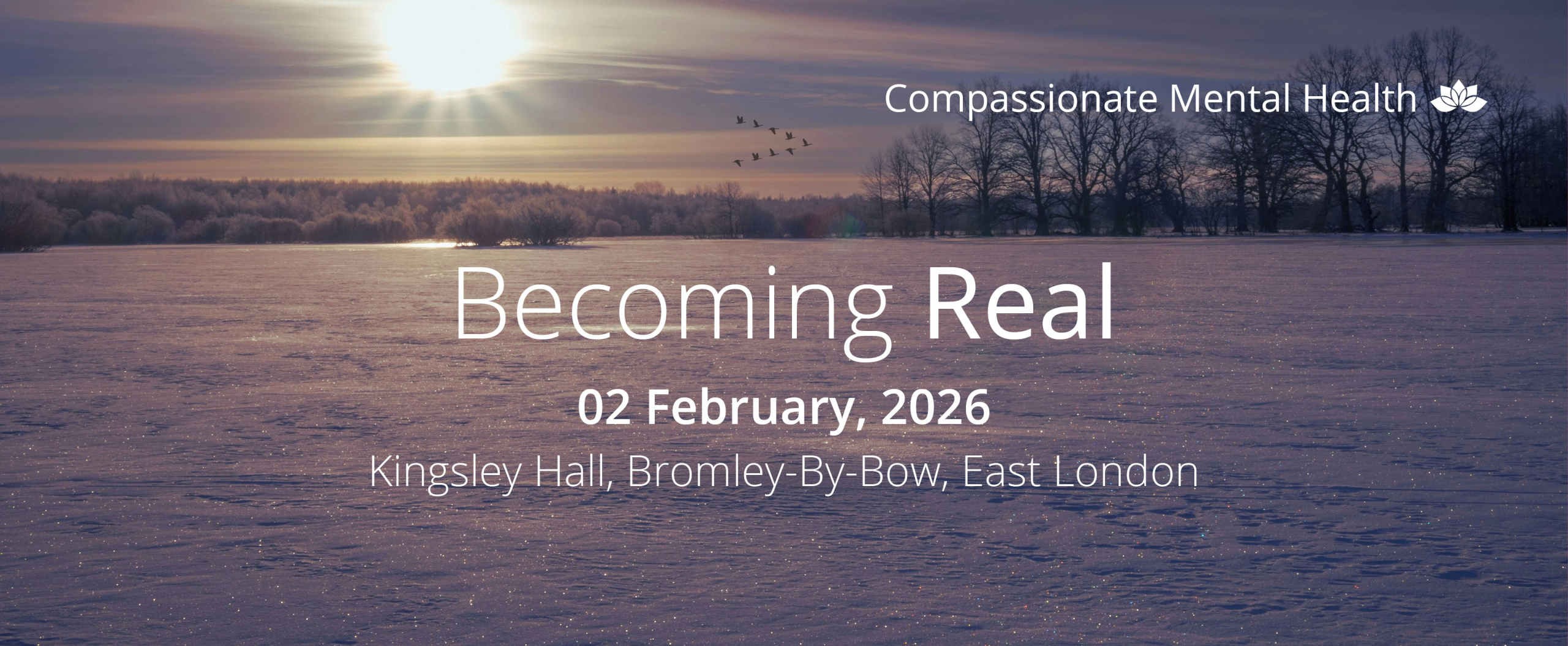
Becoming Real | 02 February 2026, Kingsley Hall, Bromley-By-Bow, London, UK
Becoming Real was a one-day gathering continuing our exploration of alternative approaches for living and working with mental distress. Inspired by intentional, eco and therapeutic communities, we aimed to bridge the gap between the ambitions of mental health policy and the realities of practice on the ground.
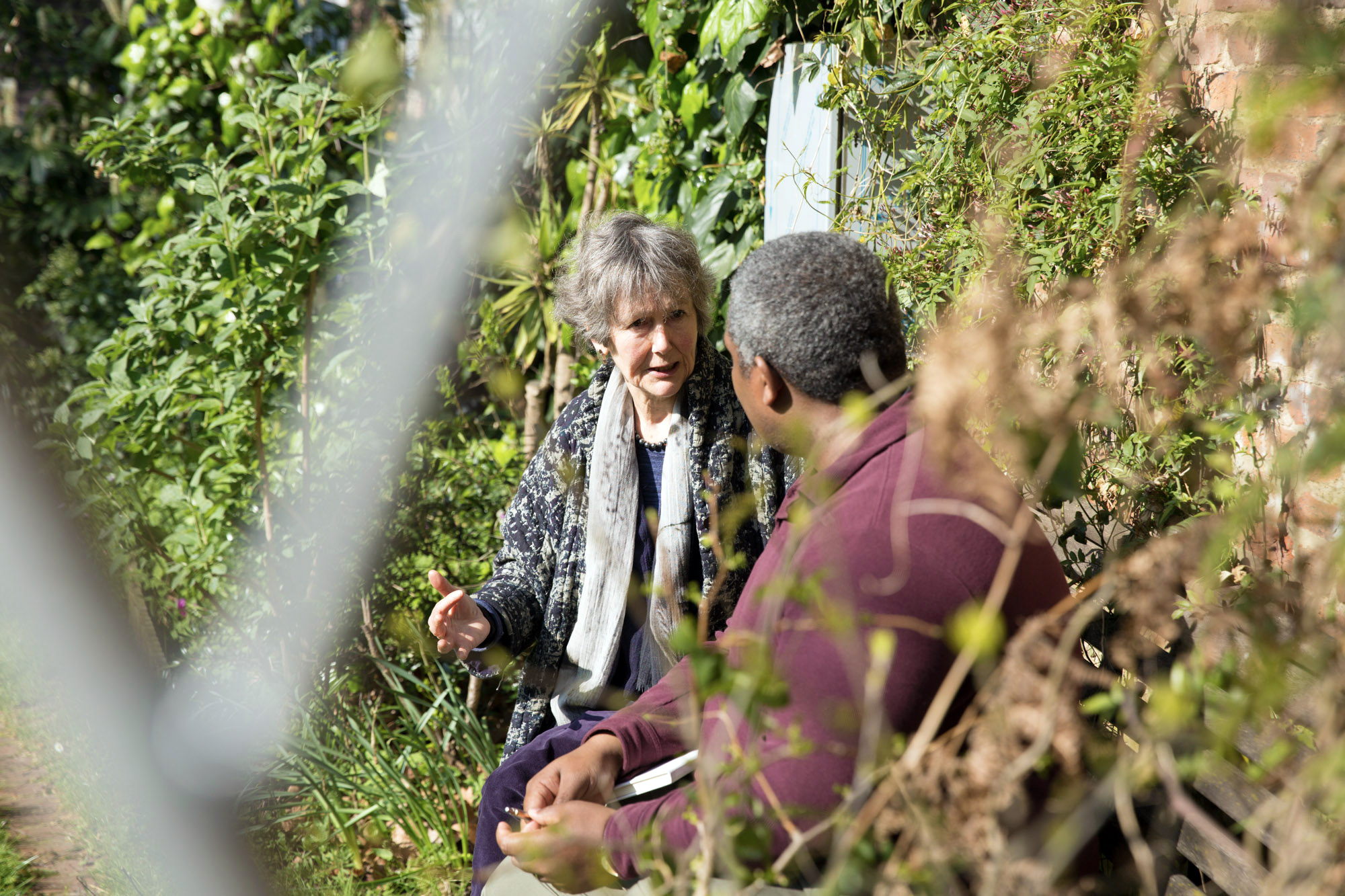
The thread that runs through all our gatherings is building community together – moving beyond Us and Them, the Fixers and those that need Fixing. We want to create spaces where those who may need to use services, those who deliver them, and the families and networks around a person in distress can come together so that everyone can thrive.
It was a nourishing day of learning, reflection and community – a pop-up therapeutic community where we explore how to create safe, compassionate spaces that hold both suffering and joy. Together we asked what it takes to support people in extreme states, discovered meaning in difficult experiences, and reclaimed crisis as a potential turning point.
At Kingsley Hall, Laing, Joseph Berke and others once lived alongside people in extreme states, pioneering approaches that were creative, relational, and often controversial. Joe later co-founded the Arbours Crisis Centre, where therapists and guests shared everyday life. His legacy lives on in our work, reminding us that healing doesn’t happen in isolation but in the social and relational environments that surround us.
Healing happens through connection, and that means choosing presence over fixing, relationship over control, and community over isolation. Through conversation, workshops, creativity and eating together, we explored what it takes to help someone heal after crisis and reclaim their future … and how to create more spaces of belonging, structure and true safety where healing can happen.
Drawing on contemplative traditions and therapeutic community practice, we explores together how relationship, dignity and belonging can form the ground of mental health care. We also looked honestly at safety and risk, holding complexity with compassion.
As always, we moved beyond professional, personal and illness labels so we can build common ground and imagine safe, healing services that people want to use when in crisis.
The programme built on our core themes of connection, community and systems change, with a focus on reflective, relational, compassionate practice, and creating therapeutic environments.
Together we explored new ways of thinking about service provision, and approaches that are based on mutual support, safety and democratic principles.
As always, moving away from professional, personal and illness labels so we can build common ground and imagine together safe, healing services that people want to use when they are in crisis.
Speakers & Facilitators
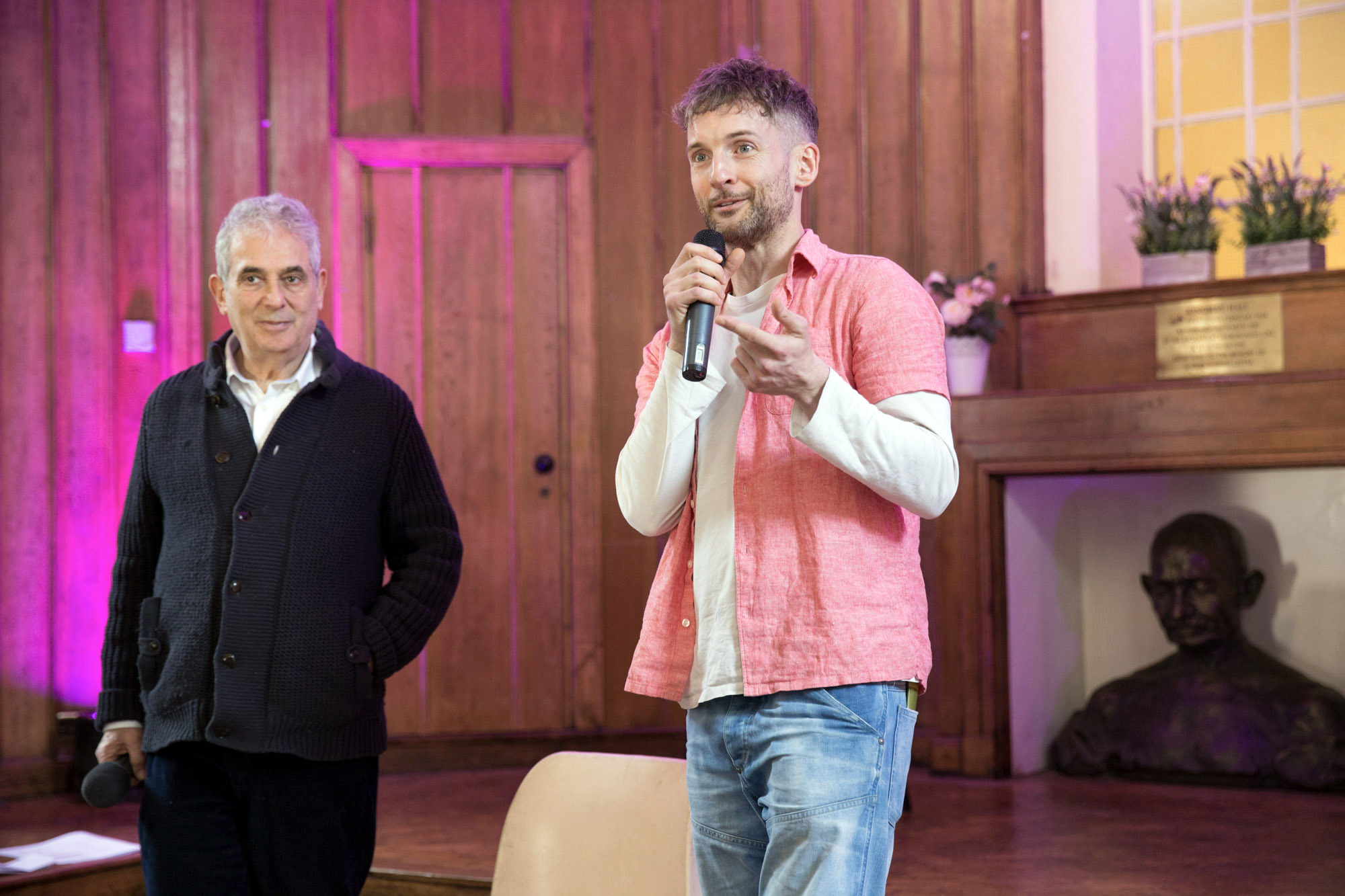
Our speakers and facilitators are passionate about transforming mental health and changing the script. All believe that with the right support recovery can happen and a mental health crisis can be a transformative process. New Speakers are joined by core Compassionate Mental Health team members.
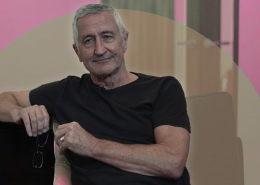
Trevor Eyles

Victoria Tischler
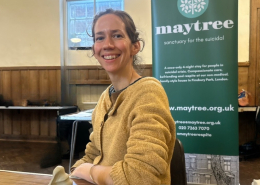
Freya Nettelsmith
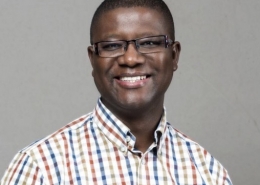
Martin Kalungu Banda
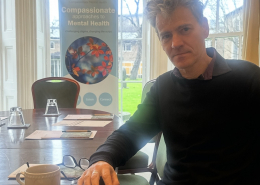
Arnaud Vallet

andrea zwicknagl

Charmaine Harris
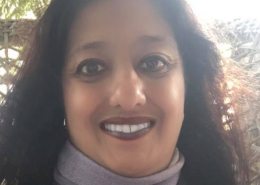
Neelam Khawani-Connett
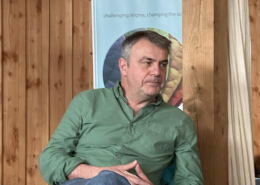
Chris Salway